


Collection: Georgia
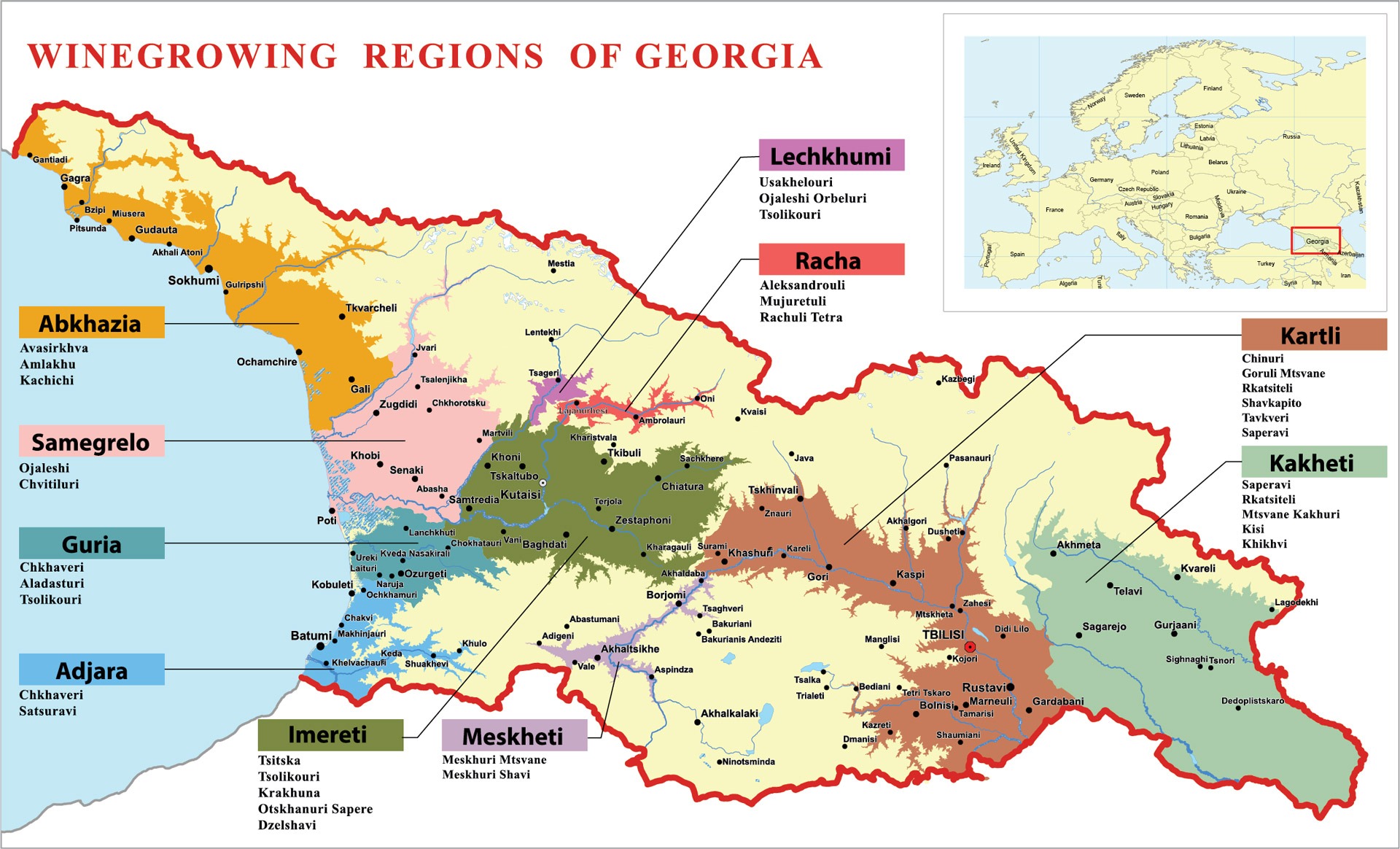
Georgia is widely regarded as the cradle of wine, with archaeological evidence of organised viticulture and winemaking dating back over 8,000 years. Central to this legacy is the qvevri, the egg-shaped clay vessel buried underground and used for fermentation and ageing, a method so culturally significant it has been recognised by UNESCO as Intangible Cultural Heritage. Qvevri winemaking typically involves fermenting juice together with skins, pips and often stems, followed by extended maturation sealed beneath the earth, producing wines of depth, texture and natural stability without modern intervention.
Geographically, Georgia sits between the Black Sea and the Greater Caucasus Mountains, a position that creates striking climatic diversity. The country is broadly divided into eastern and western wine zones, shaped by continental versus maritime influences. Kakheti dominates production and is home to the warm, dry Alazani and Iori river valleys, where vineyards sit between roughly 250 and 800 metres above sea level on alluvial and clay-limestone soils, producing structured, age-worthy wines from varieties such as Rkatsiteli and Saperavi. Central Kartli is cooler and more continental, favouring freshness, mineral tension and traditional-method sparkling wines based on Chinuri and Goruli Mtsvane. Western regions including Imereti and Racha-Lechkhumi experience higher rainfall and milder temperatures, traditionally producing lighter-bodied whites, mountain reds and distinctive semi-sweet styles.
Georgia’s grape heritage is equally remarkable, with over 500 documented indigenous varieties, many of which exist nowhere else in the world. Rkatsiteli remains one of the most widely planted white grapes, while Saperavi is rare among fine varieties for being teinturier, contributing both colour and tannin from its skins and pulp. Historically, vineyards were farmed organically by default, and today a growing number of producers are formalising this with certified organic and biodynamic practices, low yields and old-vine preservation.
Contemporary Georgian wine sits at a fascinating crossroads between tradition and precision. Alongside classical qvevri wines, many producers now work with temperature-controlled stainless steel, neutral oak and bottle-aged sparkling methods, creating cleaner, more site-expressive interpretations aimed at international markets. A key modern trend is restraint: shorter skin contact for whites, gentler extraction, tighter sulphur management and a clearer focus on regional identity rather than overt rusticity. The result is a new generation of Georgian wines that retain their unmistakable cultural fingerprint while offering clarity, balance and serious gastronomic appeal.
Pheasant’s Tears was founded in 2005 by John Wurdeman and Gela Patalishvili and is one of Georgia’s most influential producers and a reference point for traditional qvevri winemaking. Working exclusively with organically farmed vineyards and indigenous grape varieties, the estate ferments with native yeasts in beeswax-lined qvevri, without oak, fining or filtration. Extended skin contact for whites and restrained maceration for reds result in profoundly savoury, structured wines that express both site and Georgia’s ancient winemaking heritage, and have played a pivotal role in shaping the modern global interest in orange wines.
Lurji Bani was established in 2021 by lifelong friends Dato and Gogita, building on years of informal winemaking in Tbilisi before securing an historic marani and vineyard in Kakheti’s Nukriani village. Their organically farmed one-hectare site sits at 800 metres above sea level on alluvial clay soils with sandstone and greywacke, planted primarily to Rkatsiteli with small amounts of Mtsvane and Buera. While the long-term vision includes restoring 18th-century qvevri on site, the current wines are made in stainless steel, focusing on purity, freshness and a clear expression of altitude and terroir.
Ori Marani is a small, quality-focused Georgian producer working primarily in the Kartli region, with an emphasis on indigenous grape varieties and precise, low-intervention winemaking. The estate combines traditional techniques such as qvevri fermentation with more contemporary methods, including traditional-method sparkling wine based on Chinuri, Tsitska, Goruli Mtsvane and Tsolikouri. Fermentations are spontaneous, oak is used sparingly or not at all, and the wines are shaped by extended lees contact, natural acidity and fine phenolic structure, resulting in wines that are restrained, mineral and distinctly regional.
Igavi Wines is a family-run estate based in western Georgia, with a strong focus on the distinctive mountain terroirs of Lechkhumi. Farming is organic, with an emphasis on local varieties such as Tsolikouri, and winemaking is centred on qvevri fermentation to preserve freshness and site expression. The wines are quietly complex, mineral-driven and restrained, offering a refined interpretation of western Georgia’s historic wine styles.
DoReMi Wines is a new-generation Georgian project rooted in Kartli, dedicated to small-scale production and thoughtful use of qvevri. Working exclusively with indigenous varieties, the focus is on balance between skin contact, texture and natural acidity, rather than overt extraction. The wines are unfined and unfiltered, expressive yet precise, and reflect a modern, detail-driven approach to Georgia’s traditional techniques.
Brothers’ Cellar is a dynamic family winery working across several Georgian regions, combining traditional knowledge with a clean, contemporary winemaking philosophy. Indigenous varieties such as Tavkveri and Saperavi are handled with restraint to emphasise freshness, purity and varietal character. The resulting wines are approachable yet authentic, bridging classic Georgian identity with modern drinkability.

-
Ori Marani 'Nino' - Imereti, Kartli NV
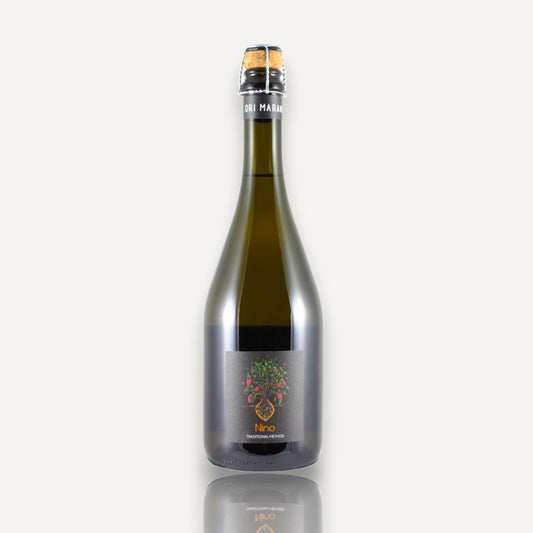
Ori Marani 'Nino' - Imereti, Kartli NV
A traditional-method Georgian sparkling wine based on indigenous varieties Chinuri, Tsitska, Goruli Mtsvane and Tsoli...Quick view- Regular price
- $78.00
- Sale price
- $78.00
- Regular price
-
-
Igavi Tsoulikouri - Lechkhumi 2022
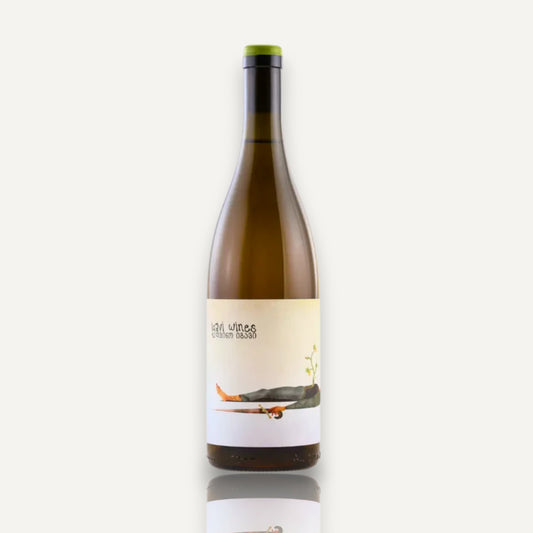
Igavi Tsoulikouri - Lechkhumi 2022
Made from 100% Tsolikouri grown in the mountainous Lechkhumi region, this wine is fermented and aged in above-ground ...Quick view- Regular price
- $86.00
- Sale price
- $86.00
- Regular price
-
-
Lurji Bani Rkatsiteli - Kakheti 2023
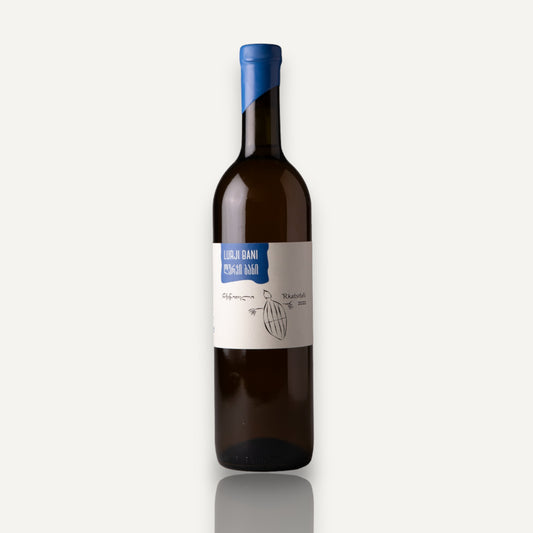
Lurji Bani Rkatsiteli - Kakheti 2023
Sourced from organically farmed vineyards around Telavi, this Rkatsiteli is fermented with indigenous yeasts and sees...Quick view- Regular price
- $52.00
- Sale price
- $52.00
- Regular price
-
-
Do Re Mi Chinebuli - Kartli 2022
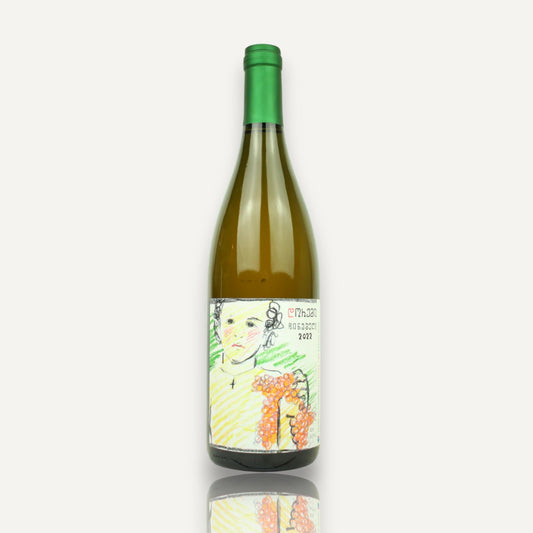
Do Re Mi Chinebuli - Kartli 2022
A Kartli blend of Chinuri and Goruli Mtsvane, partially fermented on skins in qvevri before extended maturation in cl...Quick view- Regular price
- $62.00
- Sale price
- $62.00
- Regular price
-
-
Brothers' Cellar Tavkveri - Lower Kartli 2022
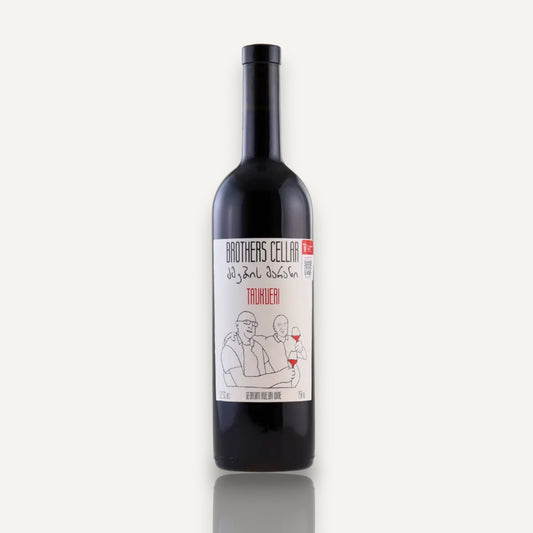
Brothers' Cellar Tavkveri - Lower Kartli 2022
Produced from Tavkveri grown in Bolnisi’s clay-rich soils, this is a vibrant, medium-bodied red made in a restrained,...Quick view- Regular price
- $58.00
- Sale price
- $58.00
- Regular price
-
-
Pheasants Tears Saperavi - Sighnaghi, Kakheti 2023
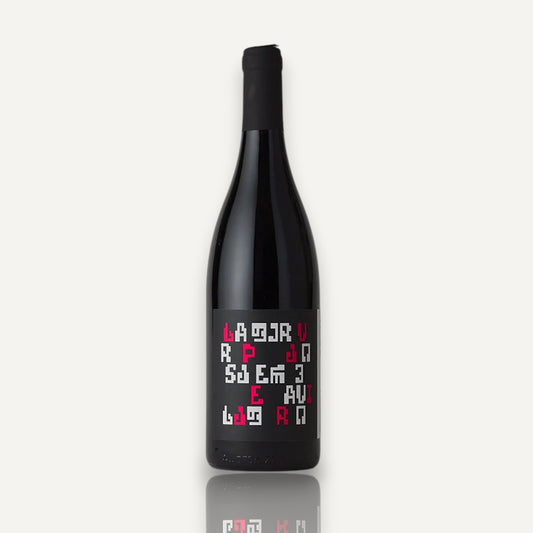
Pheasants Tears Saperavi - Sighnaghi, Kakheti 2023
A classic qvevri-fermented Saperavi from Kakheti, made with native yeasts and extended skin contact to build depth an...Quick view- Regular price
- $64.00
- Sale price
- $64.00
- Regular price
-
