


Collection: Argentinian Malbec
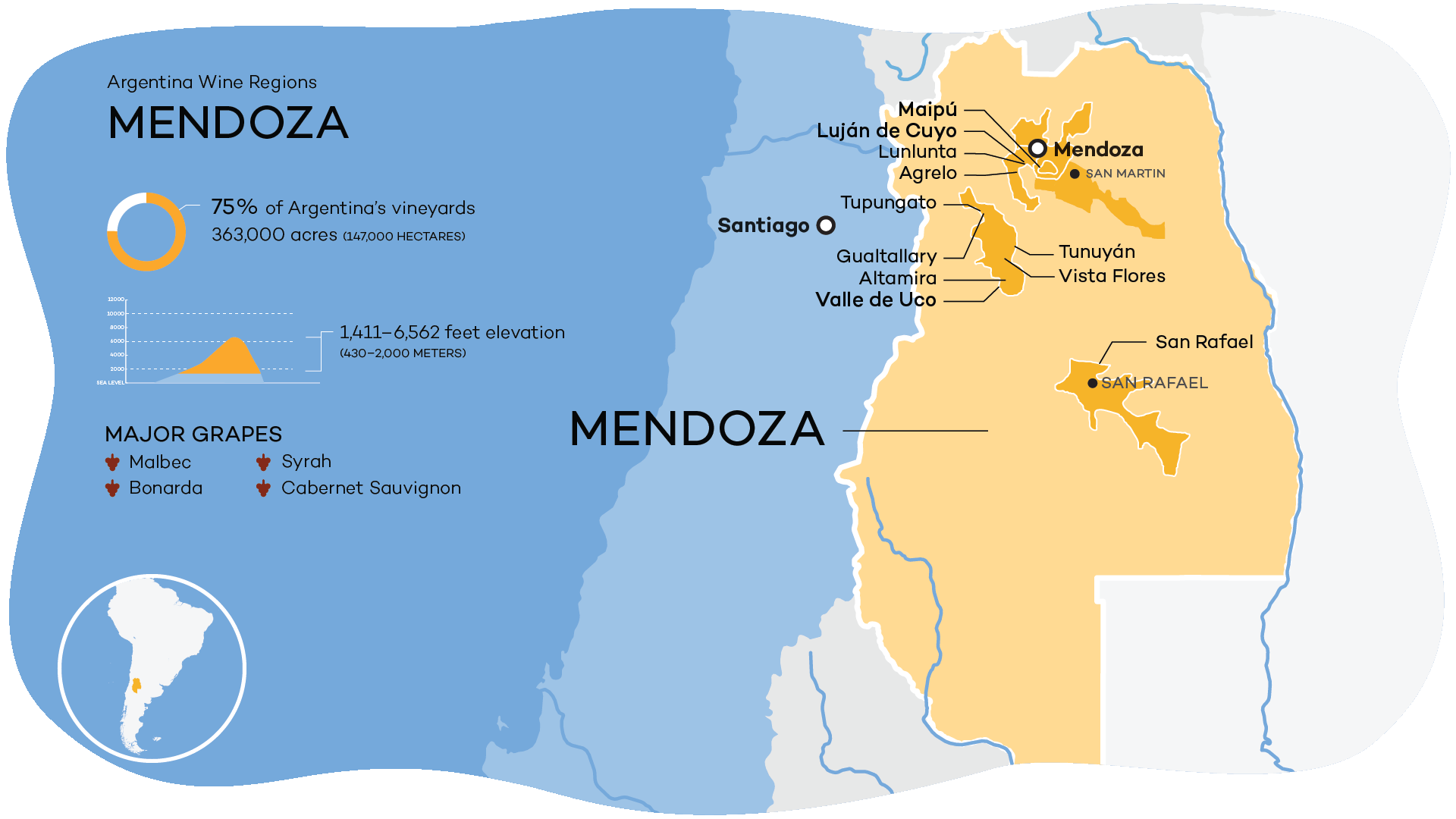
Argentinian Malbec is the country’s flagship grape variety, known for its remarkable diversity, elegance, and ability to express place. Originally from Cahors in southwest France, Malbec was introduced to Argentina in 1853 by Michel Aimé Pouget. It quickly adapted to Argentina’s varied terroirs, particularly the high-altitude vineyards of Mendoza, where it ultimately surpassed its original homeland in both quality and identity.
Argentinian Malbec is celebrated for its versatility and range of styles. While traditionally known for rich, ripe, fruit-forward wines with dark berry and plum flavours, modern expressions are increasingly fresher, more elegant, and refined. Improvements in vineyard practices and a deeper understanding of soil and altitude have led to wines with greater subtlety, structure, and terroir transparency.
A defining feature of Argentinian Malbec is its ability to reflect diverse environments. From the high-altitude vineyards of Mendoza to cooler regions like Patagonia and extreme elevations in Salta, each area produces distinct expressions. Altitude, climate, and soil all shape the wine, resulting in a wide spectrum of styles, from powerful and concentrated to bright and mineral-driven.
Malbec in Argentina is constantly evolving. Over the past decade, there has been a shift toward more balanced, nuanced wines that emphasise freshness and elegance over sheer power. This evolution is driven by innovation, sustainability, and a growing focus on harmony between environment, culture, and production.
Today, Argentinian Malbec is more than just a wine. It represents the country’s landscapes, culture, and winemaking progress, offering an ever-expanding range of styles while remaining unmistakably Argentine.
-
Monteviejo Sparkling Malbec
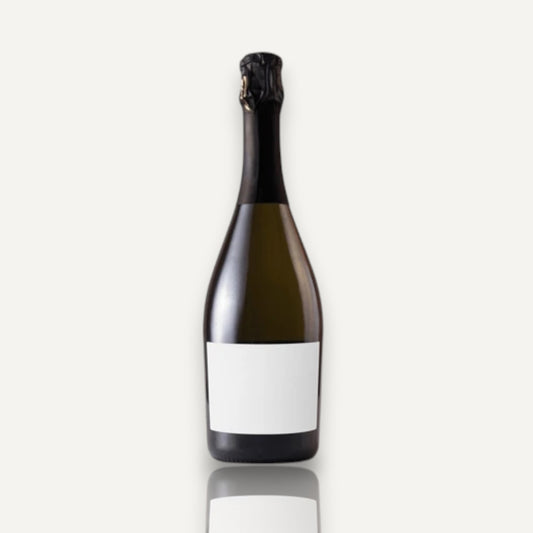
Monteviejo Sparkling Malbec
Quick view- Regular price
- $49.00
- Sale price
- $49.00
- Regular price
-
-
Trumpeter 'Rosé de Malbec' - Uco Valley, Mendoza 2025
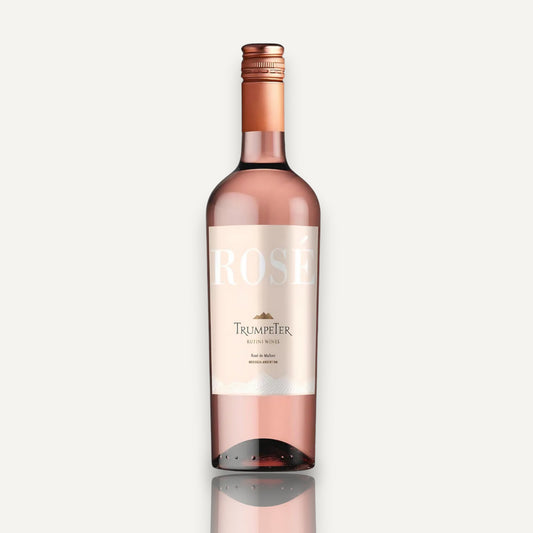
Trumpeter 'Rosé de Malbec' - Uco Valley, Mendoza 2025
Rutini Trumpeter Rosé de Malbec 2023 is a delightful rosé wine produced by the renowned Rutini Wines in Argentina. Th...Quick view- Regular price
- $26.00
- Sale price
- $26.00
- Regular price
-
-
Trumpeter Malbec' - Uco Valley, Mendoza 2024
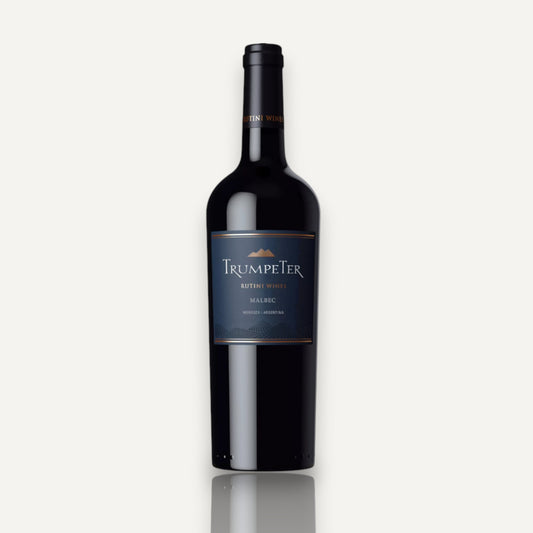
Trumpeter Malbec' - Uco Valley, Mendoza 2024
Bright red with violet highlights, it seduces with its fruity aromas of plum and spices such as cinnamon and cardamom...Quick view- Regular price
- $28.00
- Sale price
- $28.00
- Regular price
-
-
Lagarde 'Tradicional' Malbec - Luján de Cuyo, Mendoza 2024
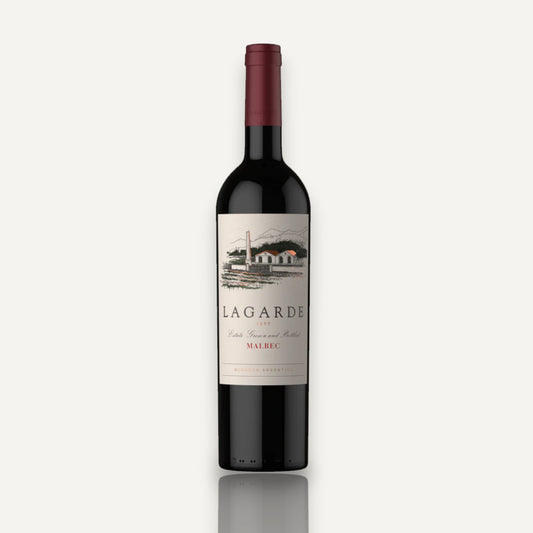
Lagarde 'Tradicional' Malbec - Luján de Cuyo, Mendoza 2024
This expressive Malbec opens with vibrant aromas of ripe blackberries, fresh plums, and subtle violet florals. On the...Quick view- Regular price
- $42.00
- Sale price
- $42.00
- Regular price
-
-
Rutini 'Colección' Malbec - Uco Valley, Mendoza 2022
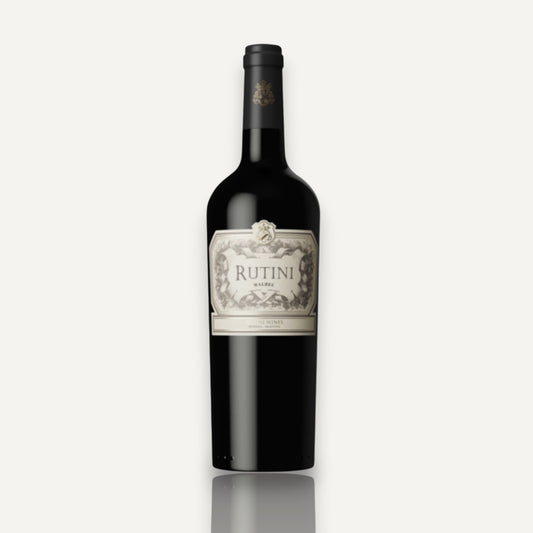
Rutini 'Colección' Malbec - Uco Valley, Mendoza 2022
This wine, with its deep purplish-red color, expresses the typical fruity exuberance of the variety through aromas of...Quick view- Regular price
- $80.00
- Sale price
- $80.00
- Regular price
-
-
Casarena 'Naoki’s Vineyard' Malbec - Agrelo, Mendoza 2021
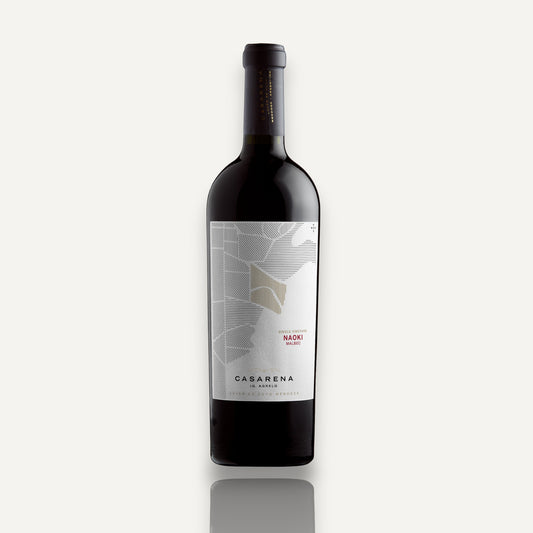
Casarena 'Naoki’s Vineyard' Malbec - Agrelo, Mendoza 2021
Casarena is a boutique winery based in Mendoza’s famed Luján de Cuyo region, dedicated to crafting single-vineyard wi...Quick view- Regular price
- $86.00
- Sale price
- $86.00
- Regular price
-
